The Power of Play in Learning
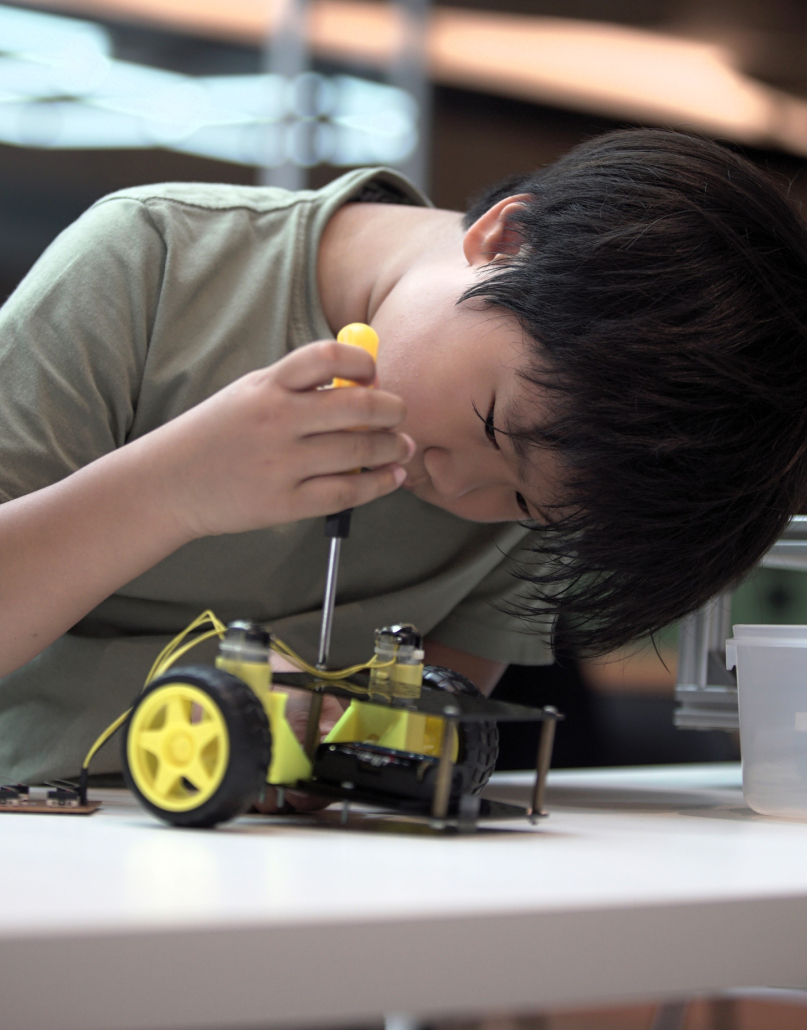
Play is sometimes underestimated in school settings, especially as children grow older. But research continues to confirm that play is not separate from learning—it is learning.
The American Academy of Pediatrics (AAP) emphasizes that play is essential for healthy brain development, especially in helping children build social-emotional skills, self-regulation, and problem-solving abilities.
In fact, countries with strong educational systems, like Finland, prioritize unstructured playtime and creative freedom in the classroom.
Play-based learning helps children explore ideas in a low-pressure environment. It gives them the freedom to take risks, ask “what if,” and test their own solutions. For many children—especially those who struggle in traditional classroom settings—play opens the door to understanding in a way that feels natural and empowering.